
How Boundary Surveys Reveal Old Fences Inside the Property Line
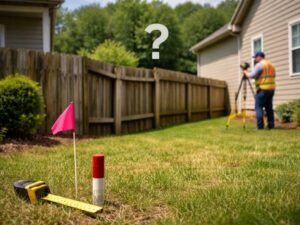
That old chain-link fence running behind the yard looks like the property line. It’s been there since the 1980s. Nobody questioned it. But a boundary survey ordered before a recent sale showed the fence sitting three feet inside the legal boundary. Three feet the neighbor has been using for over a decade.
This scenario plays out constantly on residential and commercial parcels alike. The fence isn’t the property line. It never was. And the longer nobody checks, the worse the legal situation gets.
Why Fences End Up in the Wrong Place
Nobody puts a fence in the wrong spot on purpose. Usually. The more common causes are far less dramatic.
A contractor builds to match a neighbor’s existing fence line without pulling a survey. A homeowner guesses based on where the old rotted posts were. A previous owner trusted a hand-drawn sketch from decades ago. Over time, each of those fences becomes the unofficial boundary for the next owner, and the one after that.
The legal boundary, though, never moved. It’s still exactly where the deed says it is.
What “Inside the Property Line” Actually Means
When a fence sits inside the legal property line, it means the owner is giving up land they legally own. The area between the fence and the true boundary belongs to them on paper, but a neighbor may be mowing it, parking on it, storing equipment on it, or treating it as their own backyard.
That kind of long-term use has a name in Florida law: adverse possession.
What Florida Law Says About Long-Term Fence Encroachments
Florida is one of the stricter states on adverse possession claims, but the bar can still be cleared. Under Florida Statutes Sections 95.16 and 95.18, a person who openly, continuously and exclusively uses land that isn’t theirs for at least seven consecutive years may have grounds to claim ownership.
For a claim without a written document (called a claim without color of title), the person must also file a return with the county property appraiser and pay property taxes on the disputed strip during those seven years. Most fence disputes fail at that step. But the risk doesn’t disappear just because a full adverse possession claim is unlikely.
There’s a separate legal theory called boundary by acquiescence. Under this doctrine, if both parties have treated a fence as the boundary for seven or more years without objection, a court may recognize that fence line as the legal boundary regardless of what the survey shows. That outcome doesn’t require anyone to pay taxes on the disputed land.
A boundary survey commissioned before a sale, refinance, or new construction is often the first time anyone realizes this problem exists.
The Three Problems a Boundary Survey Exposes
The Encroachment Nobody Documented
When a boundary survey places the actual property corners and runs the line, anything sitting on the wrong side gets flagged as an encroachment. An old fence inside the property line shows up immediately.
The surveyor doesn’t make a legal determination about who owns the disputed strip. That’s for an attorney and potentially a court. But the survey creates a clear, certified record of where the fence sits relative to the legal boundary. That record becomes evidence in any negotiation, legal filing, or title insurance discussion.
The Title Insurance Gap
Standard title insurance policies contain a survey exception. That clause lets the insurer deny claims for problems that an accurate, current survey would have revealed. A fence in the wrong place, sitting there for years, falls directly into that gap.
If a buyer closes without commissioning a boundary survey, and then discovers the fence issue after closing, the title insurance company may deny coverage. The buyer paid for protection that doesn’t apply to the exact problem they have.
Getting a boundary survey before closing removes that ambiguity. If the fence issue is documented before the policy is issued, the title company must either address it or explicitly note it as a known exception.
The Deal That Stalls at the Closing Table
Lenders and title companies don’t like surprises. A boundary survey showing a fence three feet inside the legal line, with a neighbor who has occupied that strip for 12 years, can delay or kill a transaction.
The buyer’s attorney needs to assess adverse possession risk. The title company may require a written boundary agreement between the parties before issuing insurance. The seller may need to move the fence or grant a recorded easement before closing can proceed.
None of that is quick. None of it is cheap. And all of it could have been identified months earlier if a boundary survey had been ordered at the start of the process.
What Developers Should Do Before That Land Changes Hands
Order a boundary survey before you make an offer on land with any existing fencing. Don’t wait for the title commitment. Fences that have been in place for years need to be verified against the legal description before due diligence closes.
If the survey reveals a fence inside the property line, take these steps:
- Get a legal opinion on adverse possession and boundary by acquiescence risk based on how long the fence has been there
- Send written notice to the neighboring owner that the fence does not represent the legal boundary and that no permission is granted for use of that strip
- Document that notice and keep copies
- Work with a real estate attorney to draft a boundary agreement or recorded encroachment license if the fence won’t be moved before closing
- Request a survey endorsement on the title insurance policy to close the coverage gap
Written notice matters because it breaks the “without permission” requirement of adverse possession. An oral agreement does nothing. It won’t bind future owners and creates no legal record.
Frequently Asked Questions
Does a fence mark the legal property line?
No. A fence shows where someone placed it. The actual property line comes from the recorded deed and survey monuments. A boundary survey is the only reliable way to compare the fence location to the legal boundary. Many fences are off by inches. Some are off by several feet.
What is boundary by acquiescence in Florida?
It’s a legal doctrine that allows a court to recognize a fence line as the legal property boundary if both neighboring parties treated it as the boundary for at least seven continuous years without objection. It’s separate from adverse possession and doesn’t require the neighbor to pay taxes on the disputed strip.
Will title insurance cover a fence that’s in the wrong place?
Standard policies often won’t. Most title insurance policies include a survey exception that excludes coverage for problems a current survey would have revealed. If no boundary survey was ordered before closing, the buyer may have no coverage for a fence encroachment discovered after the fact.
How do you stop an adverse possession or acquiescence claim before it matures?
Send written notice to the neighboring owner stating the fence does not represent the legal boundary and that no permission is granted for use of the land between the fence and the true line. Document the notice. An oral statement won’t hold up and won’t bind future owners.
When should a developer order a boundary survey on land with existing fencing?
Before making an offer, or at the very start of due diligence. A fence that has been in the wrong place for years can create adverse possession risk, title insurance complications, and closing delays. Finding the problem early gives you time to resolve it before it becomes a deal-breaker.
For a free land surveying quote, call us at (954) 519-7803 or send us a message by going here.