
ALTA Land Survey Before Buying a Small Neighborhood Plaza
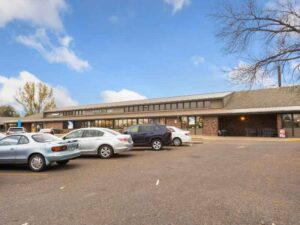
A small plaza can look like an easy buy. You see a few shops, one shared lot, and a sign near the road. Still, the land under that plaza can hide surprises. An ALTA Land Survey shows you the full picture before you sign.
This kind of survey maps the property line, the buildings, and the features on the site. It also checks records like the deed, easements, and title notes. When you buy a plaza, that map becomes your proof of what you own. Here’s how each part helps you.
Confirming Exactly What Land Comes With the Plaza Purchase
Older plazas are often stitched together from more than one lot. One owner may have bought a corner parcel, then added the lot next door years later. On paper, that can look like a single property, but it may still be two or three separate tracts. An ALTA Land Survey draws the real outline of every parcel in the sale.
This matters because the plaza you walk on may not match the land in the deed. A back strip, a side yard, or a slice near the road might belong to someone else. The survey checks each legal description and lines it up with the ground. So you learn exactly where your land starts and stops before closing.
Mapping Storefront Buildings and Other Plaza Improvements
The survey doesn’t just show dirt and lines. It also plots the buildings and other built features on the site. Surveyors measure where each storefront sits and how close it comes to the property line. Then they mark that on the map so you can see the fit.
This step can catch real problems. A wall, a canopy, or the corner of a shop might sit over a line or an easement. That’s called an encroachment, and it can slow or block a sale. When the ALTA Land Survey flags it early, you and the seller can fix it before money changes hands.
Reviewing Parking Areas That Serve Multiple Storefronts
Parking is the heart of a small plaza. Tenants and their customers all share the same lot, so its layout matters a lot. The survey maps the spaces, the drive lanes, the curbs, and the entrances. That way you can see how the parking fits inside your property.
Sometimes a few spaces or a driveway cross onto the neighbor’s land. Other times, another owner has the right to use part of your lot. The survey shows these shared-use spots and access rights clearly. With that in hand, you know the lot works for your tenants and won’t spark a fight later.
Checking Signs, Dumpsters, and Service Areas Near Property Edges
Small features near the edges are easy to miss, but they cause big headaches. Think of the tall sign by the road, the dumpster pen in back, or a low wall along one side. Any of these can sit right on or over a property line. The survey pins their exact spots on the map.
Rear service areas matter too, since delivery trucks and trash pickup need room to move. If the dumpster enclosure sits on the neighbor’s land, that’s a problem you’ll inherit. The same goes for a sign that stands past your boundary. Catching these early keeps you from paying to move them after the deal.
Using the Survey During the Plaza’s Purchase Review
A plaza sale brings a lot of people to the table. You have the buyer, the seller, the lender, and the title company all looking at the same deal. The ALTA Land Survey gives them one shared map to work from. That keeps everyone on the same page about the property.
The title team uses it to match easements and records to the ground. The lender uses it to check that the collateral is solid. You use it to confirm the land, the buildings, and the parking all line up. When each party reads the same clear map, the review moves faster and with fewer surprises.
Frequently Asked Questions
How is an ALTA Land Survey different from a regular boundary survey?
A boundary survey mainly shows where the property lines fall. An ALTA Land Survey does that and much more. It also maps buildings, parking, easements, and title records on one detailed drawing. That extra depth is why lenders and title companies ask for it on commercial deals like a plaza.
Who usually orders the ALTA survey in a plaza deal?
The buyer often orders it, since the buyer needs to know what they’re getting. In many cases, the lender or title company asks for it as a condition of the loan. The seller may also share an older survey to speed things along. It’s smart to agree early on who pays and who hires the surveyor.
How long does an ALTA Land Survey take to finish?
The time depends on the size of the plaza and the records involved. Field work for a small plaza may take a few days. Then the surveyor pulls title notes, checks easements, and drafts the final map. Start the survey early, because a rushed deal leaves little room to fix problems it finds.
Does the lender always require an ALTA survey?
Not every deal calls for one, but many commercial loans do. Lenders want proof that the land backing the loan is solid and clear. An ALTA Land Survey gives them that proof in a form they trust. Ask your lender up front so you can budget the time and cost.
How long is an ALTA survey good for?
An ALTA survey reflects the property on the day the field work is done. If nothing on the site changes, it can stay useful for years. Big changes like new construction, a lot split, or a road project can make it out of date. When that happens, an update keeps the map matched to the ground.
For a free land surveying quote, call us at (954) 519-7803 or send us a message by going here.
Posted in Alta Survey | Tagged Alta Survey