
Driveway or Fence Crossing the Property Line? What Homeowners Should Know Before It Becomes a Dispute
Copyright (c) 123RF Stock Photos
Why Property Line Mistakes Turn Into Bigger Problems
A fence may look harmless until a neighbor says it sits on the wrong property.
The same thing happens with driveways, sheds, patios, pools, and gates. A homeowner starts a project believing the space belongs to them. Then a neighbor checks old records, hires a contractor, or orders a boundary survey. Suddenly, both sides disagree about where the property line actually sits.
These problems happen more often than people expect.
Many homeowners trust existing fences or landscaping instead of verified survey measurements. That creates trouble later, especially during construction, home sales, or property improvements.
A boundary survey helps homeowners confirm legal property lines before a disagreement grows into a serious dispute.
What Causes Most Property Line Disputes?
Property line disputes usually begin because somebody relies on assumptions instead of recorded boundary data.
Older neighborhoods often have fences, driveways, or additions built many years ago. Some improvements went up without updated surveys. Others replaced older structures in the exact same location, even though the original placement may have been incorrect.
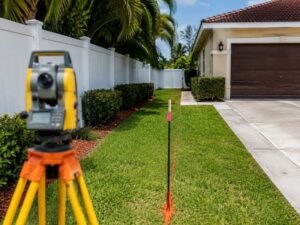
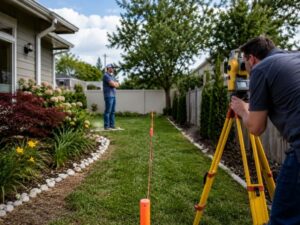
A boundary survey compares recorded property documents with actual field measurements. Surveyors locate property corners, measure distances, review land records and property maps, and compare the information to what exists on the site today.
That process helps uncover issues before they become expensive problems.
Common boundary problems include:
- Fences crossing onto neighboring property
- Driveways extending over lot lines
- Sheds or patios built inside easements
- Missing or damaged property markers
- Landscaping installed beyond legal boundaries
- Old improvements based on incorrect assumptions
These issues may stay hidden for years until somebody starts a new project or prepares to sell the property.
Why Small Encroachments Matter
Some homeowners believe a few inches or feet do not matter.
They do.
A fence crossing the property line can delay a property sale. A driveway overlap can create title concerns. Contractors may stop work once survey documents reveal an encroachment.
Lenders and insurance companies may also ask questions during closing or refinancing.
One missing property marker can create weeks of stress between neighbors.
Things usually become worse when both property owners rely on memory or verbal agreements instead of official survey records. Arguments grow quickly once people start protecting what they believe belongs to them.
That is why even small encroachments deserve attention early.
Why Fence Disputes Escalate So Fast
Fence disputes rarely begin with anger.
Most start with confusion.
One homeowner replaces an older fence. The neighbor suddenly claims the fence sits several feet over the property line. Both people believe they are correct because the old fence stood there for years.
Then the boundary survey changes everything.
The survey may reveal the original fence never followed the true boundary line at all. That means every replacement fence copied the same mistake.
Now both homeowners face difficult decisions:
- Should the fence move?
- Who pays for removal?
- Can the structure stay temporarily?
- Will future buyers raise concerns later?
These situations create tension fast, especially when money and property rights become involved.
Driveway Problems Often Cost More Than Fence Repairs
Fence repairs cost money, but driveway disputes usually cost much more.
Concrete removal is expensive. Drainage corrections and grading work also increase costs quickly.
Some homeowners discover driveway overlaps after planning additions, garages, or landscaping projects. Others learn about the issue during closing when buyers request updated property documents.
That can delay the entire transaction.
Contractors may refuse to continue work until the boundary issue gets resolved. Permit offices may also require updated plans before approving future improvements.
Many homeowners feel shocked because the driveway may have existed for years without complaints.
Still, long-term use does not automatically make the placement correct.
Older Properties Usually Have More Boundary Surprises
Older residential areas often contain more hidden property line issues.
Property markers may disappear over time. Previous owners may build fences without permits. Older construction work may never match recorded plats exactly.
Trees, erosion, and landscaping can also hide original property corners.
Some neighbors rely on old verbal agreements made decades earlier. Those agreements rarely help during legal disputes or real estate transactions.
A handshake does not replace a recorded boundary survey.
That is why many homeowners discover encroachments only after ordering updated survey work for renovations or property sales.
Why Buyers Should Check Property Boundaries Before Closing
Some buyers skip surveys to reduce closing costs.
That decision creates risk.
Many buyers focus on roofing, flooring, kitchens, and cosmetic repairs while ignoring boundary conditions outside the home. Meanwhile, a fence or driveway may already cross into neighboring property.
The new owner inherits that problem after closing.
A property dispute can lower resale value, delay future projects, and create legal expenses later. Some homeowners end up paying for fence relocation, concrete removal, or attorney fees because nobody checked the property boundaries earlier.
A boundary survey helps buyers understand exactly what they are purchasing before the deal becomes final.
Small Home Projects Still Need Accurate Survey Data
Many people think only large construction projects require survey work.
That assumption causes plenty of boundary disputes.
Simple residential projects often create problems:
- Fence installation
- Pool construction
- Patio additions
- Driveway widening
- Retaining walls
- Sidewalk extensions
- Gate installations
These improvements change how the property gets used. They also increase the chances of crossing into neighboring land or easements.
A few inches may not seem important during construction. Later, those inches may become the center of a major disagreement.
Guessing Property Lines Usually Ends Badly
Most property line disputes share one common issue.
Somebody guessed.
They guessed where the property corner sat. They assumed the old fence followed the correct line. They trusted existing improvements without checking official records.
That works until someone orders a boundary survey.
Then the actual measurements reveal the truth.
Boundary problems often stay hidden for years before suddenly appearing during renovations, property sales, or neighbor disagreements. Once the survey exposes the issue, fixing the problem becomes much harder and more expensive.
A boundary survey gives homeowners reliable information before construction starts or conflicts grow worse. It helps protect property value, reduces costly mistakes, and lowers the chances of future disputes with neighbors.
For many homeowners, ordering the survey early saves far more money than fixing a boundary problem later.
For a free land surveying quote, call us at (954) 519-7803 or send us a message by going here.
Posted in land surveying, land surveyor | Tagged boundary survey Miramar