
What Contractors Miss That As-Built Surveys Catch
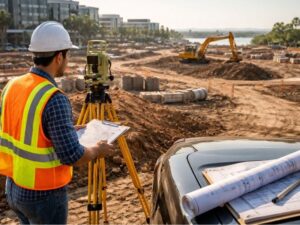
A project can look finished long before the paperwork tells the same story.
A building may be in place. The pavement may be poured. Utilities may be connected. Yet small differences between the approved plans and the finished work can create problems later.
That is where an as-built survey comes in.
An as-built survey documents what was actually constructed on a site. It measures the location of buildings, improvements, utilities, and other features after construction is complete. The survey becomes a record of existing conditions and helps confirm whether the work matches the approved plans.
For developers, this information can prevent delays during project closeout, support permit documentation, and reduce surprises during future improvements.
What Is an As-Built Survey?
An as-built survey is completed after construction.
The purpose is simple. It records the finished project as it exists in the field.
Surveyors measure the location of structures and site features, then compare those measurements to the approved design plans.
The final survey may show:
- Building locations
- Sidewalks
- Parking lots
- Driveways
- Utility features
- Stormwater structures
- Retaining walls
- Property improvements
The goal is accuracy. Assumptions are not enough when permits, inspections, and future construction depend on reliable information.
Why Finished Projects Do Not Always Match the Plans
Construction plans show what was intended.
Field conditions often tell a different story.
Contractors may encounter unexpected obstacles during construction. Utility conflicts, grading challenges, weather conditions, and site limitations can all lead to changes.
Some changes are approved during construction. Others happen because adjustments are needed to keep the project moving.
Many of these changes are minor. A few inches may not seem important while construction is underway.
Later, those same differences can create issues.
A storm drain may sit in a different location than shown on the plans. A retaining wall may extend farther than expected. A building corner may shift slightly from its approved position.
An as-built survey identifies these differences before they become larger problems.
Common Issues As-Built Surveys Often Reveal
Structures Built Slightly Off Location
Even experienced crews can place improvements differently than planned.
A building, wall, or parking area may end up a short distance from its designed location.
The difference may be small. The impact may not be.
Future construction, permit reviews, and site modifications often rely on accurate dimensions.
Utility Features That Were Relocated
Utility lines rarely follow a perfectly predictable path.
During construction, contractors may need to adjust utility routes to avoid conflicts underground.
An as-built survey records the final location of:
- Water lines
- Sewer lines
- Drainage systems
- Utility structures
- Service connections
Future contractors benefit from having accurate records before digging.
Stormwater Improvements That Differ From Design
Stormwater systems must function properly after construction.
A small change in elevation or location can affect drainage performance.
As-built surveys help document:
- Inlets
- Pipes
- Detention features
- Drainage structures
- Finished grades
This information can be useful during inspections and maintenance planning.
Site Features Added During Construction
Projects often evolve during construction.
Additional pavement, equipment pads, utility structures, or site improvements may be added after the original plans were approved.
Without updated records, future teams may not know exactly what exists on the site.
An as-built survey creates a reliable record.
How As-Built Surveys Help Developers
Developers often focus on schedules, budgets, approvals, and construction progress.
Documentation can receive less attention until a problem appears.
An as-built survey helps by providing verified field data.
That information can support:
- Project closeout documentation
- Permit requirements
- Future site planning
- Property records
- Utility mapping
- Expansion projects
Years later, accurate survey information may save significant time when new work is proposed.
Why Future Projects Depend on Accurate Records
Many sites undergo changes after the original construction is complete.
A developer may want to add parking. A building owner may plan an expansion. Utility upgrades may become necessary.
Poor records create uncertainty.
Teams may spend time searching for utility locations or verifying existing improvements before new work can begin.
An as-built survey reduces that uncertainty.
The survey provides a snapshot of the property at a specific point in time.
That information often becomes one of the most valuable documents associated with the site.
When Should an As-Built Survey Be Ordered?
The best time is after construction has been completed and before project records are finalized.
Waiting too long can create challenges.
Site features may change. Records may become harder to verify. Future project teams may have less information available.
Developers should discuss survey requirements early in the construction process so there is a clear plan for documenting the completed work.
Choosing a Surveyor for As-Built Survey Work
Not every survey assignment serves the same purpose.
An as-built survey requires careful field measurements and attention to detail.
Developers should work with a licensed surveyor who understands construction documentation and local project requirements.
Before hiring a surveyor, ask:
- What features will be measured?
- What deliverables will be provided?
- Will utility structures be documented?
- Can digital files be supplied?
- What level of detail is included?
Clear expectations help avoid misunderstandings later.
Why Accurate Records Matter Long After Construction
Construction rarely matches plans with perfect precision.
Small field adjustments happen on nearly every project.
The challenge is not the change itself. The challenge is failing to document it.
An as-built survey creates an accurate record of what was actually built. For developers, that record can support project closeout, future planning, permit documentation, and site management long after construction ends.
Frequently Asked Questions
What is the purpose of an as-built survey?
An as-built survey documents the final location of structures, utilities, and site improvements after construction is complete.
When is an as-built survey performed?
It is usually completed after construction finishes and before final project records are submitted.
Can an as-built survey show utility locations?
Yes. Many as-built surveys document visible utility features and infrastructure installed during construction.
Why do developers need as-built surveys?
Developers use them for project documentation, future planning, permit support, and accurate property records.
Does every construction project require an as-built survey?
Requirements vary by project type, approval conditions, and local regulations. Some projects require them as part of the closeout process.
For a free land surveying quote, call us at (954) 519-7803 or send us a message by going here.
Posted in land surveying, land surveyor |