
When to Get an ALTA Survey Before Redeveloping a Property
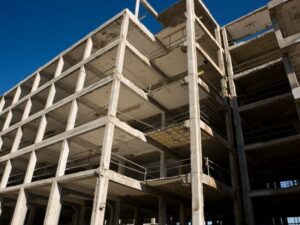 For most projects, the answer is early, before acquisition closes or demolition starts, with updates planned as the project moves forward. For buyers considering redevelopment, especially in areas affected by nearby development, understanding when to get an ALTA survey can help identify access, easement, boundary, and improvement issues before plans move ahead.
This guide is for developers and owners planning redevelopment, with engineers, architects, lenders, and title staff in mind. It walks through the stages where survey timing matters most. Requirements vary by lender, jurisdiction, and project scope, so confirm them before committing to a schedule.
The Best Project Stage to Order the ALTA Survey
The best stage to order an ALTA survey for redevelopment is during acquisition due diligence or, for an owner already holding the land, before design begins. At that point, the survey can still shape the purchase price, the financing, and the first site concepts. Ordering later often means paying for revisions or a second survey.
The survey follows national standards from the American Land Title Association and the National Society of Professional Surveyors. It ties the boundary, improvements, easements, and access to the title commitment. Table A items can add topographic data, utilities, zoning setbacks, and building details that redevelopment teams often need.
Talk with your lender, title company, and civil engineer before ordering. Each may need different items, and one well-scoped survey can serve all three. Confirm the scope in writing so nothing important gets left out.
Before Existing Improvements Are Removed or Altered
Get the ALTA survey before existing improvements are removed or altered. Buildings, slabs, curbs, utilities, and pavement provide evidence about where things are and how the site has been used. That evidence is much harder to reconstruct after demolition.
The survey documents building footprints, utility structures, drainage features, and site improvements as they stand. That record can matter for permits, nonconforming rights, and disputes with neighbors. Some jurisdictions may consider what existed before when reviewing a rebuild, so a pre-demolition record can carry real value.
Demolition crews can disturb or destroy boundary monuments near the work. Locating and referencing those monuments before work starts makes them easier to reset later. Ask the surveyor to note which monuments are at risk.
When Redevelopment Changes Access and Site Layout
Redevelopment often changes access and site layout, which makes survey timing even more important. New driveways, closed curb cuts, shifted parking, and new building footprints all interact with easements, rights-of-way, and neighboring properties. The survey shows those constraints before the new layout is drawn.
Pay close attention to recorded access rights. A neighbor may hold an easement across a drive you plan to remove or relocate. Changing that route may require the neighbor’s agreement, so find out early.
Rights-of-way matter too. The survey shows the right-of-way line along each street frontage, which affects where new driveways and improvements can go. Driveway changes usually need approval from the agency that controls the road, and its rules vary.
Before Design Teams Finalize the New Site Plan
Design teams should have the ALTA survey before they finalize the site plan. Engineers and architects use it as the base for grading, utilities, building placement, and parking layout. A plan built on outdated or incomplete data may need costly changes during permitting.
Some survey details carry the most weight in redevelopment design. Ask that they be included if the project needs them. Common items include:
- Topographic contours and spot elevations for grading and drainage
- Utility locations with rim and invert elevations where accessible
- Zoning setback lines from a client-provided zoning report
- Flood zone classification from the current flood map
- Easements that limit building or paving areas
Make sure the design team uses the same coordinate system and elevation datum as the survey. That shared reference keeps design, permitting, and construction staking consistent. Small datum mismatches can cause big problems in the field.
When Updated Survey Data Becomes Necessary
Updated survey data becomes necessary when the site, the records, or the project requirements change. Redevelopment projects often run long, and an early survey can age quickly. Plan for updates instead of treating the first survey as final.
Common triggers include demolition, new recorded easements, a change in lender, a revised title commitment, or a long gap between the survey and construction. Lenders may also want a recently dated survey before funding a construction loan. After construction, many projects need an as-built or final survey showing what was actually built.
Ask the surveyor how updates will be handled and priced. Working with the same firm through the project often makes updates faster and keeps survey control consistent. Confirm timing needs with your lender and permitting agency early.
Frequently Asked Questions
When should I get an ALTA survey for a redevelopment project?
Order it during acquisition due diligence, or before design starts if you already own the property. That timing lets the survey shape financing, title, and early design decisions. Ordering before demolition also preserves a record of existing conditions. Confirm the scope with your lender, title company, and engineer first.
Do I need a new survey after demolition?
Often, yes. Demolition changes the site and can disturb monuments and features. Lenders and designers may want updated conditions before construction begins. Ask your surveyor whether an update or a new topographic survey is the better fit.
Can one survey serve the lender, title company, and design team?
In many cases, a well-scoped ALTA survey with the right Table A items can serve all three. Design may still need extra topographic or utility detail. Coordinate requirements before ordering. That planning can keep you from paying for overlapping work.
What if the redevelopment closes a driveway a neighbor uses?
Check whether the neighbor holds a recorded easement over that drive. The survey and title commitment can show this. Changing an easement usually requires the holder’s agreement. Talk with your attorney before finalizing the new layout.
Will I need an as-built survey when the project is finished?
Many projects need one for permit closeout, lender requirements, or records. The as-built shows what was actually constructed compared with the plans. Requirements vary by jurisdiction and lender. Ask early so it’s planned into the construction schedule.
For a free land surveying quote, call us at (954) 519-7803 or send us a message by going here.
Posted in ALTA Surveying| Tagged ALTA Survey